







Search Results for: dried flowers for aroma enhancement

A Comprehensive Analysis of Guatemala Antigua La Flor Coffee Beans: Variety Characteristics, Cupping Flavor, Pour-Over and Roasting Parameters Guide
The Antigua region of Guatemala, with its unique terroir of volcanic soil, low humidity, abundant sunshine, and cool nights, produces world-renowned specialty coffee. The Guatemala Flor del Patio on Front Street Coffee's bean list comes from the La Minita company, processed on its behalf by the Pastores mill, and is strictly quality-controlled from cultivation to packaging. This article will provide a comprehensive interpretation of this star bean—possessing floral aromas, lime-like acidity, and a honey finish—covering the region's background, varietal composition, washed processing flow, green bean analysis, roasting curve, cupping performance, and pour-over demonstration, offering coffee enthusiasts detailed brewing and roasting references. [more…]
Colombian Coffee Varieties and Huayue Night Flavor Analysis: Characteristics of Good Coffee Beans and the Advantages of the Boquete Producing Region
Colombia is a globally renowned coffee-producing country, and the Huila region's Flower Moon Night coffee, produced through a combination of anaerobic natural processing and the Caturra variety, displays a unique flavor profile of strawberry, floral notes, and a dark cocoa finish. This article begins with Front Street Coffee's Flower Moon Night and extends to the advantages of the high-altitude microclimate and volcanic soil of Panama's Boquete region, analyzing the cultivation conditions and processing techniques behind good coffee beans. It also introduces the origins and flavor characteristics of the Caturra variety, as well as Gatineau Farm's practices of low-temperature slow fermentation and slow drying to enhance quality, providing coffee enthusiasts with a complete understanding from origin to cup. [more…]
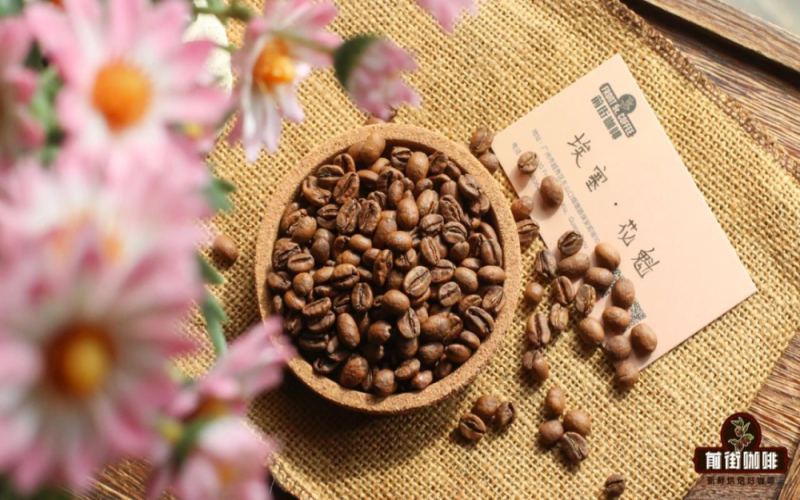
In-depth Analysis of the New Season Ethiopian Huakui Coffee Beans: Single-Origin Specialty Flavor from Hambela and Front Street Coffee Roasting Suggestions
Every year, the new-crop Ethiopian Flower Queen captures the attention of many coffee lovers. This sun-dried specialty from the Guji Hambela region, named for its 2017 TOH championship honor, has now become a star among single-origin coffees. This season's Front Street Flower Queen continues the African raised-bed drying process, with fine fermentation under low-temperature conditions, presenting layered notes of floral aromas, red wine, and tropical fruit. Depending on the roast level, a light-to-medium roast preserves elegant floral notes and citrus acidity, making it suitable for pour-over and other atmospheric-pressure brewing methods; a medium roast enhances body and can be used to make SOE and moka pot coffee. This article will comprehensively cover the Flower Queen's origin background, variety characteristics, processing method, and flavor performance, taking you deeper into this bean's unique charm. [more…]
Colombia Flower Moon Night and Rose Valley Coffee Bean Flavor Analysis and Detailed Explanation of Anaerobic Processing
Colombia is located in the northwest of South America, with a mild, spring-like climate that provides a superior growing environment for coffee trees. The country is an important producer of high-quality coffee worldwide, with beans mostly grown in the high-altitude regions of the Andes Mountains, requiring manual harvesting, and washed processing being relatively common. In recent years, special processing methods such as anaerobic fermentation have gradually become popular, and Front Street Coffee has also launched two representative beans, Rose Valley and Flower Moon Night. This article will compare the differences between these two Colombian coffees from the perspectives of variety, processing method, flavor performance, and brewing parameters, and introduce the characteristics of Front Street Coffee's daily beans such as Huila and Isabella, helping enthusiasts understand the diversity of Colombian coffee more systematically. [more…]
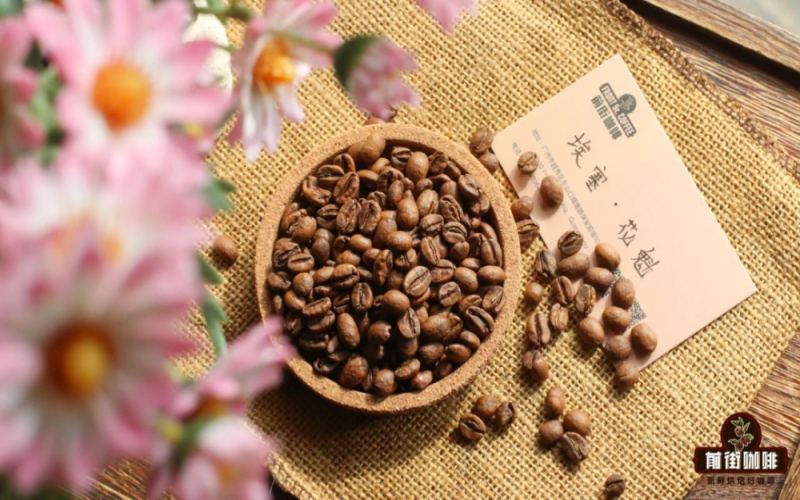
Ethiopia Guji Hambela Hualigui Coffee Flavor Analysis: A Complete Overview of Natural Processing and Light Roast Characteristics
Geisha coffee, under the name "King of Flowers," has captured the attention of countless coffee enthusiasts. This naturally processed bean from the Guji Hambela region of Ethiopia won the natural category championship at the 2017 TOH cupping competition, skyrocketing to fame ever since. High altitude, microclimate, and shading from sugarcane and banana trees give it a unique floral and fruity aroma. The natural process further enhances its berry-cream sweetness and smooth mouthfeel. To suit different brewing methods, Front Street Coffee roasters have also introduced two roast profiles—medium-light and medium—corresponding to pour-over, cold brew, espresso, and moka pot scenarios. This article will give you a comprehensive understanding of this champion bean's flavor origins, processing techniques, and purchasing advice. [more…]

Cold Brew Coffee Guide: Full Breakdown of Coffee-to-Water Ratio, Grind Size, Steeping Time, and Coffee Bean Selection
Cold brew coffee, through its low-temperature slow extraction process, presents a soft acidity and bitterness with a full, balanced mouthfeel, and its operational threshold is not high. Based on 50 grams of coffee grounds, this article explains key parameters in detail, such as a 1:12 coffee-to-water ratio, an 85% grinding pass rate, and 12-24 hours of refrigerated steeping, and systematically sorts out the bean selection approach for different flavor preferences—from the bright fruity acidity of washed African beans, to the soft sweetness of natural beans, to the vivid aromas of special processing methods, and the chocolate-caramel notes of medium-dark roasts. In addition, it also shares advanced methods such as adding dried flowers like osmanthus and jasmine to enhance flavor, helping coffee lovers make a cup of iced cold brew to their liking in summer. [more…]

Is Cold Brew Coffee High in Caffeine? A Health Guide to Brewing Methods and Shelf Life
Cold brew coffee has gained much popularity in recent years, but many people wonder whether its caffeine content is on the high side, how to brew it more healthily, and how long it can be stored. This article will start from the principles of caffeine release, explain why cold brew coffee has a relatively high caffeine content, and introduce a simple and easy cold brew recipe in detail. At the same time, Front Street Coffee will recommend coffee beans suitable for cold brew based on different needs such as floral and fruity notes, specific flavors, and medium-dark roasts, and share the clever idea of adding dried flowers to enhance the flavor, helping you make a cup of full-bodied, well-balanced iced coffee. [more…]

Colombia Rose Summer Nights Coffee Beans Review: Flavor Performance and Origin Analysis Brought by Anaerobic Natural Processing
Colombia, as the world's third-largest coffee-producing country, has always attracted much attention for its specialty coffee. This article focuses on a Colombian Huila region Finca Astorga Flor de Noche coffee bean launched by the Front Street Coffee brand, and provides an in-depth analysis of the anaerobic natural processing method it uses—from 15 to 20 days of fermentation with carbon dioxide in sealed tanks, to sun-drying until the moisture content reaches 11%, followed by dehulling and screening in a complete process. This bean uses the Caturra variety, with bright fruity acidity and a light sweetness. It smells of fermented floral aromas, and on the palate it presents a sweet-and-sour experience like strawberry jam. The article will introduce the processing technique, flavor characteristics, and suitable audience in detail, providing a reference for coffee lovers. [more…]
Distinguishing Guihuaxiang Dancong from Guihua-Scented Tea: Cultivar Characteristics, Processing, and Tasting Points of Qunti Dancong
Osmanthus-scented teas on the market generally fall into two categories: one is scented tea made by scenting with fresh osmanthus, and the other is群体单枞 (Qunti Dancong) that naturally carries the fragrance of osmanthus. The two have similar names but are fundamentally different. This article begins with Front Street Coffee's selected osmanthus-scented tea, outlining its raw material base, charcoal roasting process, and tasting performance, then extends to the varietal characteristics, historical origins, and pricing logic of Qunti Dancong. Through this, readers can distinguish the difference between "smelling floral fragrance" and "fragrance inherent to the variety," and understand the respective charms of traditional scenting and natural aroma types. [more…]
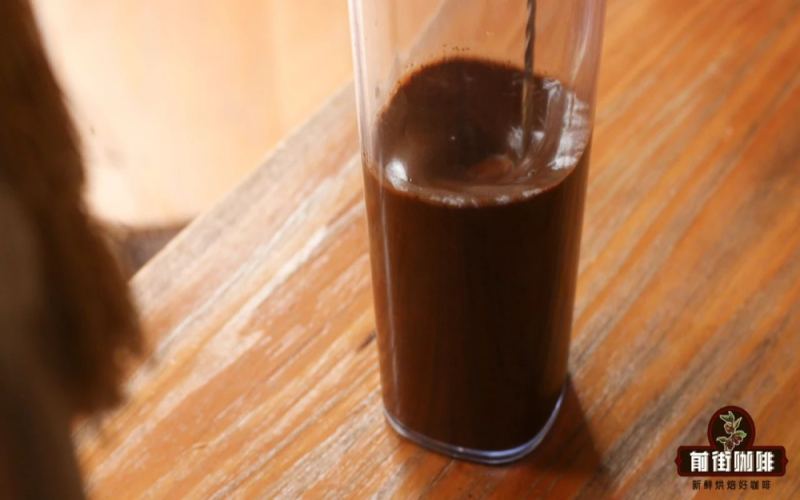
The Complete Guide to Choosing Beans for Cold Brew Coffee: From Fruity and Floral to Dark Roast, an Easy-to-Master Brewing Approach for Beginners
Cold brew coffee, through its unique low-temperature slow extraction method, reduces acidity and bitterness while locking in aroma, resulting in a fuller and more balanced taste. But with such a dazzling array of coffee beans, how should beginners choose? This article draws on the daily experience of Front Street Coffee baristas to systematically sort out the logic of bean selection by flavor type: those who prefer bright fruity acidity can choose washed beans from Kenya, Ethiopia, and the like, such as Front Street Little Tomato and Front Street Fruit Ding Ding; those who like softer fruity notes are recommended sun-dried Front Street Flower Queen and Front Street Red Cherry; those who want to try specific aromas will find specially processed beans such as Front Street Strawberry Candy and Front Street Xizhua to be good choices; and if you do not like acidity, medium-dark roasted Front Street Queen's Manor, Front Street Bird of Paradise, and even dark-roasted Front Street PWN Golden Mandheling can satisfy you. In addition, the article also shares a little trick—adding a small amount of dried osmanthus or jasmine flowers can give cold brew an extra touch of delicate floral fragrance. [more…]
Front Street Coffee Natural Yirgacheffe Wote Flower Pour-Over Guide: From Origin Flavor to Detailed Three-Stage Parameters
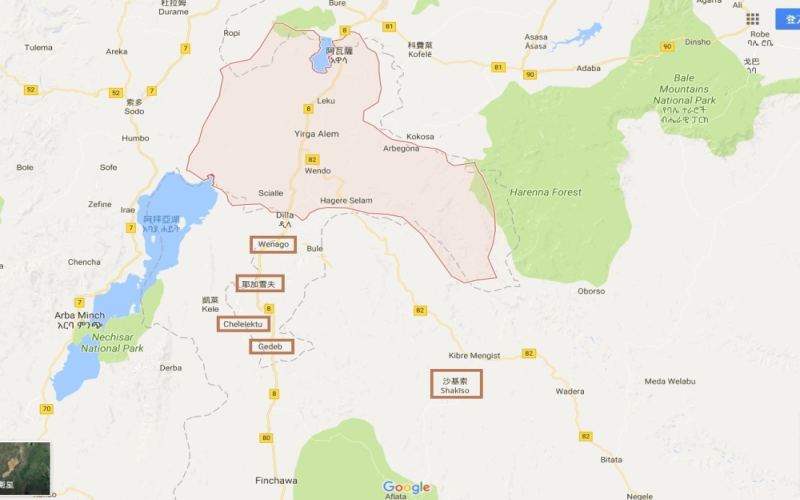
As the most representative micro-region in Ethiopia, Yirgacheffe is renowned for its vibrant citrus acidity and floral aromas. Starting from Front Street's naturally processed Yirgacheffe Worka, this article systematically reviews the region's background, the differences between washed and natural processing, and the impact of high altitude on flavor, and provides complete pour-over parameters and a three-stage pouring procedure, including key information such as dripper selection, water temperature, coffee-to-water ratio, and grind size, to help coffee enthusiasts consistently reproduce a cup that balances floral aromas with fruity sweetness. [more…]
Ethiopia Sidamo Huakui Coffee Bean Origin Flavor Analysis and Australian White SOE Preparation Method
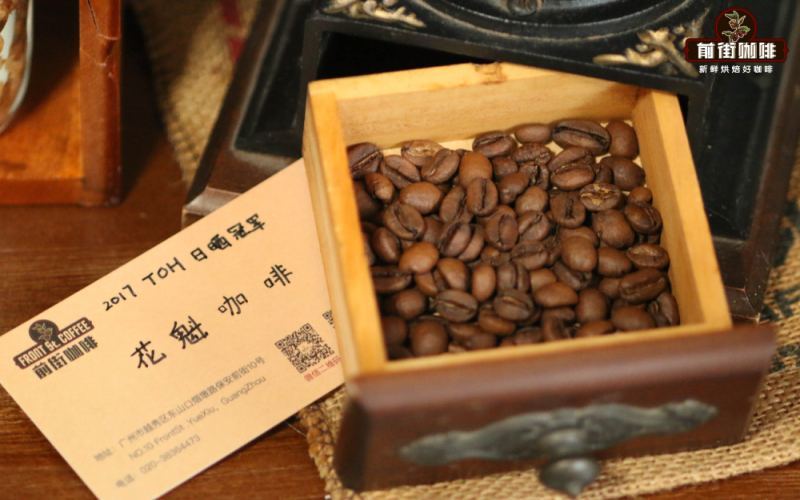
Sidamo Huakui is one of the most recognizable coffees among Ethiopian heirloom varieties, known for its bold aroma and high sweetness, and it once took first place in the natural group cupping of the 2017 harvest. It uses only fully red cherries and adopts slow drying on African raised beds with long low-temperature fermentation. In its wet aroma, winey and floral notes intertwine, and as a pour-over it tastes like a cup of strawberry fruit tea. This article will outline Huakui's origin background, grading standards, and the differences between washed and natural processing, and share how Front Street Coffee uses Huakui 8.0 to make an SOE flat white with a small cup volume, thin milk foam, and a ristretto base, taking you from the source to the cup for a complete understanding of this bean. [more…]
Ninety Plus Candela and the Complete Guide to the Ninety Plus Brand: The Specialty Coffee System from Ethiopia Sidama to Panama Geisha
In the world of specialty coffee, Ninety Plus (Ninety+) is a name that cannot be overlooked. Founded by Joseph Brodsky in 2006, the company started with Ethiopian native varieties and redefined the way green coffee is produced through its unique Profile Processing system. This article begins with Ninety Plus's Candor, a Front Street Coffee natural-process Sidamo, and systematically reviews the terroir characteristics of the Sidamo region, the brand philosophy and founder's story of Ninety Plus, and core processing methods such as natural processing and Solkiln, then interprets one by one classic product lines such as Kemgin, Nekisse, Perci, and Lotus along with their grading system, and finally includes the roasting analysis and cupping performance of Front Street Coffee 90+ Candor, providing coffee lovers with a complete Ninety Plus knowledge map. [more…]
Costa Rica Tarrazu Dota Estate Geisha: A Complete Guide to Washed Processing Flavor Profile and Pour-Over Parameters
Located in the renowned Tarrazú region of Costa Rica, Dota Goddess Estate is famous for cultivating micro-lot Geisha varieties. The estate employs organic farming methods, using native trees for shade, and produces organic fertilizer from a mixture of coffee cherries and molasses, combined with California earthworms to improve the soil, developing a unique constant-temperature fermentation process. This article will take you deep into the Goddess Estate Geisha's origin background, variety lineage, washed processing flow, as well as the pour-over extraction recipe and flavor performance recommended by Front Street Coffee (FrontStreet Coffee), for a full experience of this bean's fresh charm woven with wild ginger flower and grapefruit. [more…]

A Comprehensive Analysis of Ethiopia's Yirgacheffe Region: Flavor Code from a Wetland Town to World-Class Specialty Coffee
Yirgacheffe, a highland town located at an altitude of 1,700 to 2,100 meters in Ethiopia, has now become one of the most recognizable names on the global specialty coffee map. Having emerged as a separate origin from the Sidamo region, it presents a captivating flavor profile woven from jasmine floral notes, citrus acidity, and blueberry sweetness through both washed and natural processing methods, and has been praised as "coffee on the palate, a garden of flowers in bloom." This article will take you deep into Yirgacheffe's geographical origins, cultivation traditions, grading system, and flavor characteristics, and recommend several Front Street Coffee Yirgacheffe products to help you find the cup that suits you best. [more…]
Exploring Yirgacheffe: A Comprehensive Guide to Altitude, Processing Methods, and Unique Flavors
Yirgacheffe, a name that captivates coffee lovers, is both a small town in Ethiopia and a byword for specialty coffee. How does this wetland town, situated at an altitude of 1,200 to 2,100 meters, cultivate a legendary flavor interwoven with citrus and floral notes? From the plantings of European monastic scholars to the heritage of farmer cooperatives, from washed processing to sun-dried experiments, the story of Yirgacheffe is far more than a cup of coffee. This article will take you into its geographical origins, processing techniques, and flavor secrets, and recommend Front Street Coffee's finest Yirgacheffe, allowing you to experience that marvelous sensation of a hundred flowers blooming on the palate. [more…]
Ethiopia Yirgacheffe Worka: A Comprehensive Analysis of Citrus Flavors, Variety Characteristics, and Brewing & Grinding
Yirgacheffe is Ethiopia's most iconic specialty coffee region, and Worka is one of its most notable micro-regions. The coffee beans produced here are known for their bright citrus notes, elegant floral aromas, and crisp fruit acidity; after a light roast, they reveal even more of a sweet fragrance reminiscent of lemon, honey, and peach. Front Street Yirgacheffe Worka continues the traditional washed processing, with a silky-smooth mouthfeel and a long-lasting finish. This article will provide a comprehensive analysis of this bean's unique charm, from its origin background, cultivation methods, and flavor characteristics to grinding and extraction, taking you on an in-depth sensory journey where "coffee enters the mouth, and a hundred flowers bloom." [more…]
Where Does Coffee Flavor Come From? A Comparative Analysis of Colombian Strawberry-Note Beans: Sakura vs. Hanakatsuyo
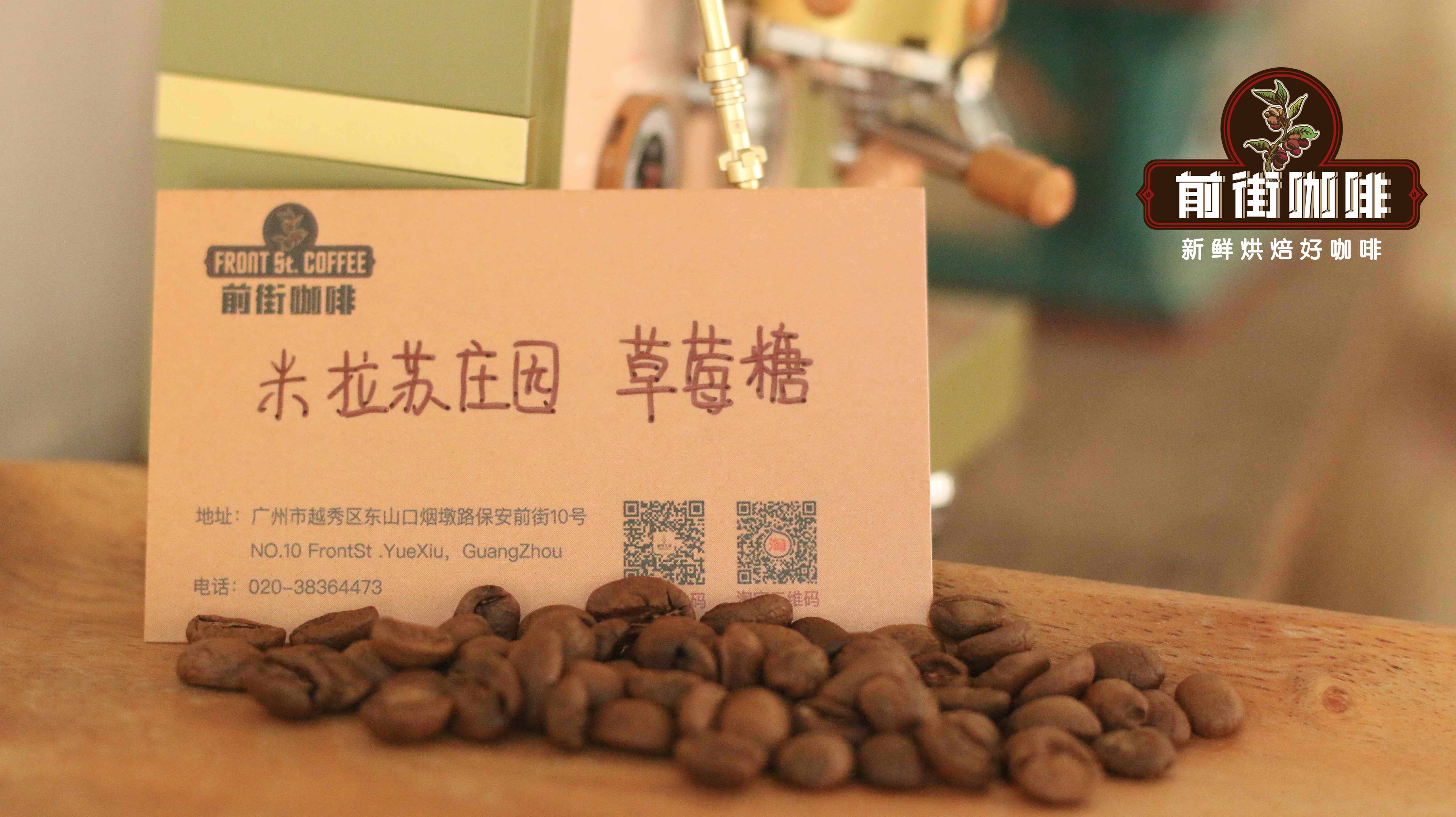
Why can you taste strawberry in coffee? Starting from the growth logic of the coffee plant, this article sorts out the influence of six major factors—soil, climate, altitude, harvesting, processing, and roasting—on flavor, and focuses on comparing two strawberry-toned coffee beans from Colombia: Front Street Huayueye and Front Street Sakura. The two each have their own characteristics in terms of producing region, bean variety, processing method, and cupping performance. At the same time, Front Street Strawberry Candy coffee beans are also recommended as another option for getting started with strawberry flavors. [more…]
Exploring Ethiopia Yirgacheffe Idido Cooperative: A Complete Analysis of the Flavor and Brewing of High-Altitude Red Honey Processed Coffee
Yirgacheffe, as one of Ethiopia's most representative specialty coffee regions, has its Idido Cooperative continuously producing stunning coffee beans thanks to its high-altitude valley environment, heirloom variety advantages, and excellent processing techniques. This article will start with the cooperative's operational background, sort out its relationship with the YCFCU union and its direct trade model, then focus on the details of the Red Cherry Project and the red honey processing method, and fully document Front Street Coffee's roasting curve, cupping performance, and V60 brewing parameters for this Yirgacheffe red honey-processed Red Cherry, providing coffee enthusiasts with a comprehensive reference extending from the origin to the flavors in the cup. [more…]

The Story Behind Guatemalan Antigua Coffee Beans: An Analysis of Floral Estate Flavors, Varieties, and Brewing Parameters
Guatemalan Antigua coffee is renowned for its distinctive smoky, charcoal-roasted flavor, earning it the nickname "cigarette coffee" among coffee enthusiasts. This valley, surrounded by three volcanoes, nurtures a richly layered coffee through its volcanic pumice soil, high-altitude microclimate, and shade-grown cultivation. This article begins with the historical origins of Antigua, examines how volcanic soil imparts a smoky quality to the coffee, and focuses on the Flora coffee beans from La Minita Estate—their Bourbon, Caturra, and Catuai varietal composition, strict washed processing and organic farming management, as well as Front Street Coffee's medium-light roasting approach and V60 three-pour brewing parameters—comprehensively presenting this bean's flavor characteristics and tasting highlights. [more…]